



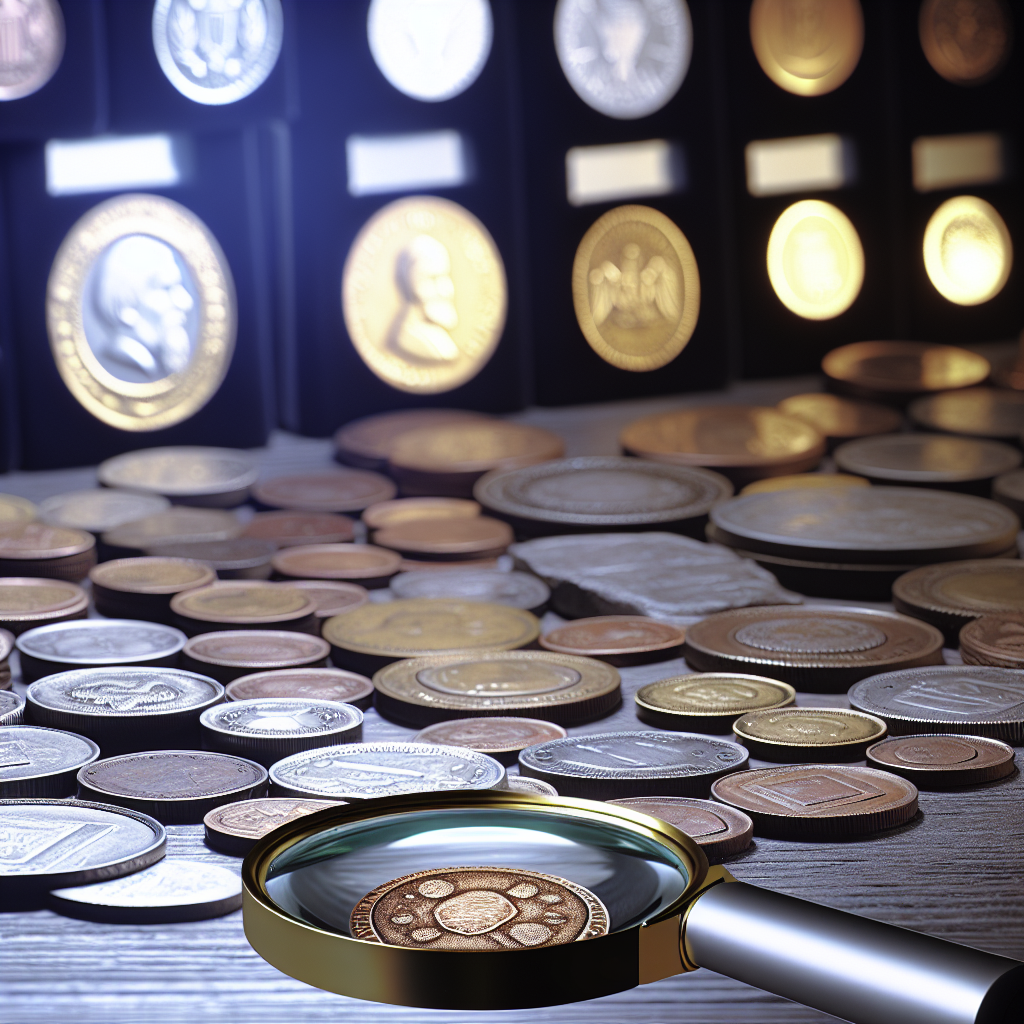
📌 Introduction to Magnifiers for Numismatics and Hallmarks
Numismatics, in other words, coin collecting, and the study of hallmarks require meticulous attention to detail. For any enthusiast in these fields, possessing a precise tool to observe and evaluate the finesse of engravings, inscriptions, or marks is essential. This is where the numismatist's magnifier comes in. This technical accessory helps reveal the hidden secrets of coins and marked objects, highlighting the slightest details that escape the naked eye. Identifying a signature, detecting a micro-scratch, assessing wear, or discerning a counterfeit requires absolute confidence in your optical equipment. This guide will help you recognize the best magnifier, understand its variations, use it wisely, and make the right choice from today's particularly rich offering. Whether you are a beginner or a seasoned collector, a good magnifier is the key to enriching your experience, sharpening your expertise, and protecting the value of your collection.
🔍 Understanding the Different Types of Magnifiers
🔹 Pocket Magnifiers
Pocket magnifiers are the allies of field collectors and exchange fairs. Compact, often foldable or protected by a case, they fit in the hand, pocket, or a small pouch. Their main advantage lies in their portability: you can easily take them with you when traveling, visiting exhibitions, or professional numismatists. Most pocket magnifier models offer a magnification between 6x and 15x, perfect for scrutinizing discreet markings and observing the reliefs of a coin in detail.
The quality of the image depends on both the lens material (mineral glass or high-end acrylic), the anti-reflective coating, and the ergonomics of the magnifier. In the field, a stable grip and fluid handling are essential, especially since the magnifier is frequently consulted for short periods. Pocket magnifiers are also economical, making them attractive for all budgets. However, be careful not to sacrifice quality for size: a magnifier that is too small, or with a low-quality lens, can distort your analysis by introducing distortion.
- Pros: Ultraportable, lightweight, often economical.
- Ideal for: Quick checks, travel, trade shows.
- Limitations: May offer a restricted field of view, sometimes inferior image quality.
🔹 Desk Magnifiers
In a more stable environment, especially at home, in a laboratory, or at a dedicated workstation, the desk magnifier is often preferred. It is generally mounted on a stand or an articulated arm, allowing precise adjustment of the focal distance without hand fatigue. These models offer a larger lens diameter (up to 120 mm), which facilitates the analysis of large items and provides a wider field of view for large collections.
Desk magnifiers offer variable magnifications, often ranging from 2x to 10x. Their stability is their strength: they allow for long, comfortable, and precise observations without having to constantly hold the tool. Thanks to the superior quality of their optics, they produce a bright, clear image without geometric aberration. Some models are equipped with integrated lighting devices to ensure optimal viewing conditions, whatever the circumstances.
- Pros: Great viewing comfort, stability, wide field of view.
- Ideal for: In-depth research, detailed inspection at home or in the lab.
- Limitations: Less portable, higher price.
🔹 Illuminated Magnifiers
Light plays a crucial role in observation: certain reliefs, inscriptions, or defects only reveal themselves with specific illumination. Illuminated magnifiers integrate LEDs with often adjustable color temperature, ensuring faithful color reproduction and homogeneous lighting. They exist in pocket or desk versions, thus combining the advantages of both worlds.
Possessing an illuminated magnifier guarantees a clear view regardless of ambient light. For particularly faint hallmarks, or to examine silver coins sensitive to reflections, this lighting is an undeniable asset. Many collectors opt for this solution combined with a classic magnifier, for a complete analysis whatever the situation.
- Pros: Optimal visibility, easy observation even in low light.
- Ideal for: Subtle details, tarnished coins, low-light situations.
- Limitations: Requires batteries or power sources, slightly higher cost.
🔧 Selection Criteria for a Magnifier in Numismatics
🔹 Optimal Magnification for Coins
Choosing the right magnification is fundamental for numismatic use. Too low, some subtle details remain invisible; too high, the field of view becomes tiny and the image difficult to stabilize. As a general rule, a magnification of 6x to 10x is considered ideal for examining coins and hallmarks: it reveals nicks, wear marks, strikes, variations in patterns, and micro-inscriptions without distorting the image.
A judicious choice of magnification allows you to observe both the entire coin and, with slight movements, every detail of its surface. Some collectors like to have magnifiers with multiple magnifications – for example, a 5x for an overall view, a 10x for in-depth examination of targeted points.
To better visualize this:
| Magnification | Recommended Use | Field of View |
|---|---|---|
| 2x - 5x | Overall view, initial sorting | Wide |
| 6x - 10x | Fine detail observation | Medium to narrow |
| 15x+ | Expertise, micro-defects, counterfeit detection | Very narrow |
Also consider the quality of the ambient lighting. Sometimes, even with high magnification, inadequate light makes analysis difficult. Hence the advantage, once again, of illuminated magnifiers!
🔹 Importance of Lens Quality
The lens is the heart of any magnifier, and its quality directly influences sharpness, color fidelity, and visual comfort. Three elements should draw your attention:
- Lens material: Prefer optical glass over acrylic, which is often clearer and more durable. High-quality acrylic can, however, offer good performance at a reduced price.
- Anti-reflective coating: It reduces parasitic reflections, protects the surface from scratches, and guarantees observation without discomfort, even under artificial light.
- Absence of distortion: The best lenses offer a uniform and sharp image from the center to the edges, without a magnifying glass effect or chromatic aberration.
A poor-quality magnifier distorts the perception of your objects, causing eye fatigue and a lack of reliability in expertise. Experts therefore advise investing in optics designed for numismatics or jewelry. Consult the jeweler's magnifier collection to discover models adapted to these demanding uses.
🔹 Portability and Ease of Use
The modern collector aims to combine efficiency, ergonomics, and mobility. If mobile use is important (fairs, exhibitions, outdoor purchases), opt for a lightweight, compact pocket magnifier that fits into any bag without fear of damage. On the other hand, if your main activity is at home, prioritize a desk magnifier for your comfort – especially if you are conducting long or serial analyses.
Also check the following aspects:
- Presence of a protective case or scratch-resistant cover
- Ease of opening, closing, and adjustment
- Stable grip, even with one hand
- Presence of anti-slip devices or ergonomic handles
Finally, think about your specific needs: if you wear glasses, inquire about compatibility with magnifiers that have sufficient eye relief. A well-adapted use maximizes your motivation and limits fatigue or accidents (falls, scratches...).
💡 Advice on Using Magnifiers for Hallmarks
🔹 Identifying Hallmark Characteristics
Hallmarks are present on precious metals, goldsmiths' work, silverware, and antique jewelry. They constitute a true identity card for the expert or collector wishing to authenticate an object. Thanks to a quality numismatist's magnifier, you will be able to examine the sometimes tiny engraved shapes, figures, coats of arms, or symbols. This meticulous observation allows for determining the object's origin, its manufacturers, dating, and sometimes the alloy's fineness.
It is recommended to direct the light at different angles and slightly move the magnifier to reveal reliefs or asperities invisible in direct light. Certain marks, flourishes, or tiny dots betray valuable clues that a high-end magnifier will be able to reproduce.
- Tip: Keep a reference of images of authentic hallmarks handy to compare directly and refine your identification.
🔹 Assessing Wear and Authenticity
Magnified examination also plays a key role in analyzing natural wear and detecting counterfeits. Regular, progressive wear is often synonymous with genuine antiquity; an overly "new" engraving or suspiciously sharp lines on a supposedly old piece should raise suspicion. Thanks to your magnifier, you will be able to track micro-scratches, abrasions, innocuous retouches, or later additions.
Taking the time to observe every square centimeter carefully, comparing with other documented examples, and documenting your observations ensures reliable expertise. Remember that some fakes are now made with such finesse that they deceive the eye... but rarely a good magnifier!
To go further in detecting fakes and analyzing, many bibliographic references and numismatic associations share examples of authentic and falsified hallmarks.
✒️ Recommendations for Popular Brands and Models
Given the abundant variety on the market, here is a selection of brands and models appreciated by the collector community:
- Eschenbach: The German reference for optical precision and manufacturing quality. Their range offers pocket, desk, and illuminated magnifiers, suitable for all numismatic needs.
- Peak Magnifier: Renowned for the exceptional sharpness of its lenses. The 10x and 15x models are aimed at demanding numismatists as well as jewelry professionals.
- Leuchtturm: Specialist in numismatics and collector supplies, offers ranges of robust magnifiers with attractive value for money.
- Bausch & Lomb: Essential for fine magnifications and precision optics. Double or triple lens models for multifocus observation.
- Carl Zeiss: The very high end of optics, used in museums or by renowned experts and curators. For those who want excellence without compromise.
- Digital or USB: For technology lovers, some digital magnifiers offer direct on-screen viewing, with image capture and variable magnification.
The choice will depend on your collector's DNA, desired comfort, frequency of use, and budget. A good practice remains to test several models, when possible, at trade shows or in specialized stores, to evaluate the grip and optical quality.
🛠️ Magnifier Maintenance and Care
Your magnifier deserves careful maintenance to preserve its optical performance and aesthetic appearance year after year. Here are the essential steps:
- Clean the lens regularly: Use a microfiber cloth, a soft air blower, or (in case of greasy deposits) a special optical lens wipe. Never dry-rub or use abrasive fabrics.
- Protect your magnifier from dust and shocks: Always store it in a suitable case or box after use. Avoid shocks, drops, or prolonged compression.
- Batteries and lighting: For illuminated models, regularly check the battery status and replace them as soon as the light dims to avoid damaging the LED system.
- Suitable storage: If you own several magnifiers, invest in a compartmentalized storage system to prevent scratching between lenses.
- Avoid extreme variations: Keep your magnifiers away from humidity, excessive heat, and direct sunlight.
Good maintenance prolongs image clarity and mechanism stability, but also preserves the value of your investment – some high-end magnifiers are sometimes intended to be passed on or resold.
📚 Additional Resources for Collectors
Deepening one's passion requires cultivating curiosity and regularly exploring new learning resources. Here are some useful references:
-
Books:
- "Numismatics for Dummies" (Ed. First): an excellent introduction for beginners.
- "Identification des poinçons français" by Jean-Baptiste Siran: a reference for goldsmiths' work and antique jewelry.
- Technical manuals for observation and expertise offered by local numismatic societies.
-
Forums & groups:
- Numista: platform for enthusiasts, database, and mutual aid forums.
- Forumactif Numismatique: rich in shared experiences and collaborative identifications.
- Websites: E-commerce stores offer guides, comparisons, and technical specifications. Feel free to consult their "buying tips" section to find the best reading magnifier offer.
Also consider joining regional or national associations – such as the French Numismatic Society – to access events, conferences, exhibitions, and practical workshops.
🌟 Testimonials and Collector Experiences
The use of the numismatic magnifier is often intertwined with the collector's personal history. Here are some testimonials collected from enthusiasts:
- "I found my first Roman coin at a fair thanks to a pocket magnifier inherited from my father. Without it, I would never have been able to appreciate the finesse of the engraving or spot the small defect that allowed me to negotiate the price!"
- "While appraising a lot of antique rings, the magnifier revealed tiny hallmarks hidden under the bail. This confirmed their authenticity and multiplied their resale value."
- "After investing in an Eschenbach LED model, I rediscovered my entire collection in a new light. The variations in reliefs and oxidation had never been so visible."
- "A good magnifier is the assurance of not missing out on a rarity. Proof: I accidentally discovered a micro-punching on a Gallic denarius, and that changed the history of my personal collection!"
- "Learning with children takes on a new dimension. The magnifier arouses their curiosity; they marvel at the unsuspected details of each coin!"
The testimonials converge: the magnifier is not a gadget, but the essential daily instrument, a companion to every discovery, and a guarantee of the reliability of your passion.
📈 The Impact of New Technologies on Magnifiers
The digital revolution has not spared the world of numismatics and hallmark expertise. More and more collectors are adopting digital or integrated webcam magnifiers. Thanks to these tools, it becomes possible to:
- View all observations in real time on a computer or smartphone screen
- Capture high-definition images of details
- Instantly share findings on forums or social networks
- Perform direct comparisons with online databases
Some high-end models offer variable magnification, a USB or Wi-Fi interface, and the ability to directly annotate images for archiving or expertise. This type of magnifier appeals to museums, experts, and also younger generations keen on technology.
Integrated lighting, digital backup, and ease of use make them essential companions for those who want to document the evolution of their collection or present it at conferences or workshops. There is, of course, an initial extra cost, but the investment is quickly recouped once you turn to online exchange or sales where the quality of illustrations makes all the difference.
The move to digital magnifiers does not exclude the value of traditional optics, which retains its place for field examinations, or situations where "direct contact" with the piece extends the pleasure of collecting.
🔗 Where to buy your magnifiers online?
The purchase of a good magnifier should not be left to chance. Several options are available to you:
- Specialized numismatic stores: These physical or online establishments offer tailor-made advice, the possibility to test models, and a guarantee of authenticity.
- General e-commerce sites: Wide choice and competitive prices, but beware of often very variable quality. Prioritize certified sellers or partners of recognized brands.
- Online auctions: Opportunity to find high-end or vintage equipment at a competitive price. Be sure to check photos and the seller's reputation.
- Collaborative collections: On enthusiast platforms, exchange and resale of equipment between experienced collectors.
Always compare warranties, return policies, and after-sales conditions. Some sites offer bundled deals (magnifiers + accessories) ideal for starting or renewing your equipment. Finally, take advantage of testimonials and reviews shared on specialized forums to avoid unpleasant surprises.
❓ FAQ: Frequently asked questions about the numismatic magnifier
- What magnification should I prioritize for my first acquisitions?
A magnification between 6x and 10x is suitable in 95% of cases for coins, providing a sufficiently detailed image without loss of field of view. For very fine hallmarks or in-depth expertise, a 15x magnifier as a complement is recommended.
- Is integrated light in a magnifier essential?
It is not mandatory, but it is an undeniable advantage for inspecting in unfavorable light conditions or revealing defects that ambient lighting sometimes hides.
- Are digital magnifiers relevant for beginner collectors?
They offer many advantages, but remain expensive. For a beginner, it is better to start with a good traditional magnifier, then switch to a digital model if the need arises.
- How can I avoid scratching my magnifier?
Always use a protective case, handle the lens by the frame, and never place the optical surface directly on a surface. Cleaning should always be done with a microfiber cloth.
- Can I use the same magnifier for numismatics and jewelry?
Yes, most numismatic magnifiers are also suitable for examining jewelry, stamps, or small and detailed objects. However, ensure that the lens and magnification correspond to your specific needs.
- Where can I find reliable magnifier buying advice?
Turn to specialized stores with a good reputation, collector forums, or comparative articles on major e-commerce sites – there are detailed guides for choosing a reading or collecting magnifier.
🧭 Conclusion: Choosing the right magnifier for your needs
The search for the ideal numismatic magnifier is an exciting adventure, at the crossroads of curiosity, technique, and tradition. In summary, remember that the choice should always be made based on the necessary magnification, lens quality, portability, ergonomics, and, depending on your practice, the type of lighting. Prioritize recognized brands and take the time to handle different models if possible, to find the one that best suits your needs and your hand.
Investing in a good magnifier optimizes your observation work, increases the precision of your classification, and protects the value of your finds. Through reliable resources, engaged communities, and the integration of new technologies, the magnifier is now an essential tool for the modern collector. It will faithfully accompany you in every quest, every discovery, every shared experience. Don't wait any longer to improve your numismatic experience – an adapted magnifier is the secret to passion and excellence in this wonderful hobby!