


📌 Introduction
In a world where precision and visual clarity are essential, indispensable tools exist to facilitate meticulous work or provide optimal reading comfort. Among these, the magnifying lamp and magnifying glasses stand out for their varied functions and uses. Whether you are a craftsman, healthcare professional, technician, or a passionate hobbyist, understanding the difference between these two magnification solutions is crucial to selecting the product best suited to your needs. This expert article clarifies the specifics of each device and helps you make an informed choice.
📌 What is a magnifying lamp?
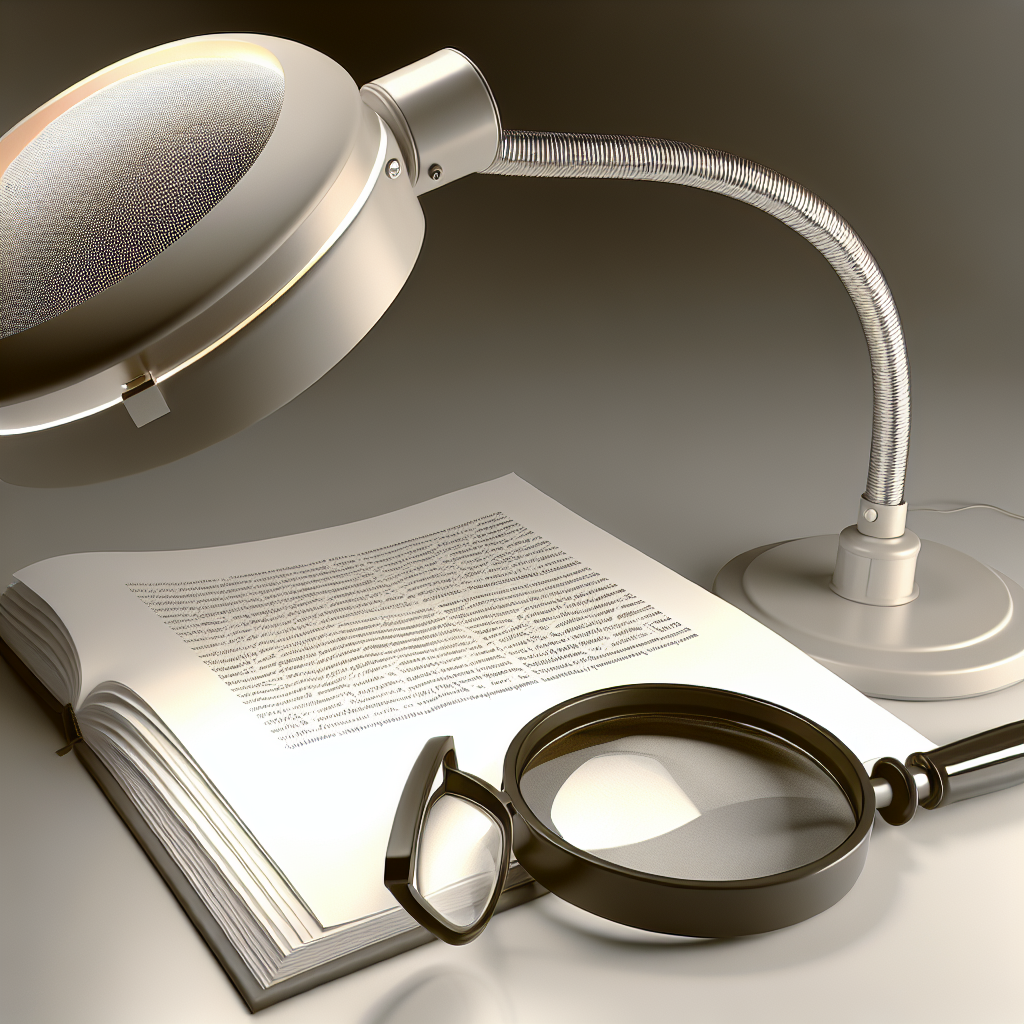
A magnifying lamp is a hybrid instrument that combines two key elements: a magnifying lens and an integrated lighting system, typically LED. It is designed to provide an enlarged view of an object while ensuring shadow-free and glare-free illumination. Often equipped with an articulated arm, it attaches to a desk or workbench and is suitable for activities requiring meticulous observation. But what exactly are its advantages? What are the technologies and characteristics that differentiate it?
🔍 Characteristics of magnifying lamps
The popularity of magnifying lamps is largely due to their rich functionalities. They are equipped with lenses made of materials such as acrylic or mineral glass, depending on the desired level of quality. Magnification power often ranges from 2x to 10x (or even more for some scientific models).
- Lenses of different diameters: To cover larger or smaller surfaces.
- LED lighting: LEDs consume little energy, offer cool and uniform light, and have a long lifespan.
- Articulated bases and arms: The arms (sometimes spring-loaded or ball-jointed) allow the magnifying lamp head to be precisely positioned where needed.
- Light intensity adjustment function: Some models offer multiple brightness levels to adjust to ambient lighting.
- Filters: On advanced versions, options for UV or anti-fatigue filters may be available.
- Compatibility: Some models are designed for table or mobile stand mounting, for better adaptability to the workspace.
A quality magnifying lamp is recognized by the stability of its base, the precision of its articulation mechanism, the clarity of its lens, and the quality of its lighting. Here is a summary table to compare the most common options:
| Characteristic | Value or description |
|---|---|
| Lens type | Mineral glass or acrylic |
| Magnification | 2x to 10x |
| Lens diameter | 90 mm to 150 mm |
| Light source | LED (majority), sometimes compact fluorescent |
| Intensity adjustment | Yes, on advanced models |
| Mounting type | Table clamp, stand, mobile support |
🔍 Advantages of using magnifying lamps
The combination of light and magnification in a single device offers multiple benefits. Perfectly positioned lighting reduces the discomfort caused by cast shadows, essential when working on complex surfaces or when ambient light is insufficient. This is particularly true in electronics, jewelry, or for fine reading of old documents.
- Superior visual comfort: The magnifying lamp increases sharpness and rests the eyes, significantly reducing eye strain during long work sessions.
- Increased precision: The light + magnification combination facilitates the detection of details invisible to the naked eye.
- Hands-free: Thanks to the stable support, the user has the use of both hands, crucial for delicate tasks.
- Versatility of installation: Whether in the workshop, office, or at home, the magnifying lamp is easily installed to adapt to the work environment.
- Improved productivity: Error corrections become easier, and the execution time of manual tasks decreases.
In summary, the magnifying lamp is the perfect tool for anyone seeking precision and comfort, combining magnification with optimized brightness.
📌 What are magnifying glasses?
Unlike the magnifying lamp, magnifying glasses are a portable optical device worn in front of the eyes, like classic eyeglasses. They consist of magnifying lenses that enlarge the near visual field, without requiring integrated lighting, although some advanced models now include small LED lights. Magnifying glasses are known for their lightness and portability, offering an ideal hands-free solution for precision tasks or prolonged reading.
🔍 Characteristics of magnifying glasses
More discreet than their stand-mounted cousin, magnifying glasses offer a range of magnification powers, generally between 1.5x and 6x. Depending on the model, the frame is made of plastic, metal, or a light alloy, ensuring robustness and comfort of use.
- Adjustable magnification power: Some models offer interchangeable lenses or clips to adapt the magnifier to the activity being performed.
- Materials: Lenses are made of polycarbonate (light, impact-resistant) or mineral glass (heavier but offering a superior image).
- Ergonomic design: Temples are designed to avoid pressure and allow prolonged wear without discomfort.
- Lightweight and portable: Easily transportable, they slip into a pocket or case.
- Compatibility: Some models fit over prescription glasses, others are clip-on or attach directly in front of the eye (magnifying monocle).
- Accessories: Storage cases, cleaning wipes, and sometimes focal length adjustment systems.
These characteristics make magnifying glasses a versatile tool, adopted by medical professionals, artisans, and seniors for everyday reading.
🔍 Advantages of using magnifying glasses
Magnifying glasses primarily allow you to keep your hands completely free while ensuring permanent magnification of the field of vision. This device avoids the bulk of a stand or an articulated arm and follows head movements, which is essential for all activities requiring mobility and precision.
- Natural movement: Magnification follows the gaze, allowing you to remain mobile without having to reposition a stand-mounted device.
- Versatility of use: Whether for reading, sewing, repair, or handicrafts, magnifying glasses easily adapt to all situations.
- Lightweight: No fatigue related to prolonged use, even for elderly or disabled people.
- Discreet: Ideal for daily use or frequent travel.
- Ease of use: Simply put them on like standard glasses, with no complicated adjustments or installation.
Magnifying glasses make magnification accessible everywhere, with minimal preparation and maximum comfort of use.
📌 Direct comparison: Magnifying lamps vs Magnifying glasses
To choose between a magnifying lamp and magnifying glasses, various technical and practical criteria should be weighed: precision, ease of use, ergonomics, and the context of use. Here is a comparative analysis to guide your reflection:
| Criterion | Magnifying lamp | Magnifying glasses |
|---|---|---|
| Magnification | 2x to 10x, suitable for fine details | 1.5x to 6x, suitable for reading and small tasks |
| Integrated lighting | Yes (LED often) | Rare, except for specialized models |
| Setup | Requires installation (articulated arm, base...) | Easy, like a pair of glasses |
| Hands-free use | Yes | Yes |
| Bulk | More voluminous, stays on the table | Ultra portable, fits in a pocket |
| Prolonged use | Excellent visual comfort, little fatigue | Very light, no weight on hands |
| Mobility | Low, fixed installation | Total, follows the gaze |
| Price | Wide range: €30 to €200+ | Wide range: €10 to €100+ |
In conclusion, prioritize the magnifying lamp for stationary, long-term work and magnifying glasses for mobility and quick or on-the-go tasks.
📌 Typical uses of magnifying lamps
The magnifying lamp excels in many areas where lighting and precision are decisive. Here are the main sectors where its use is essential and provides real added value in daily life.
🔍 Use in jewelry and watchmaking
Jewelers and watchmakers deal with miniature assemblies where every detail counts. Adjusting a tiny clasp, inspecting the purity of a diamond, or repairing a clock mechanism – all require high-definition magnification and flawless lighting. The magnifying lamp finds its full utility here:
- Ensures detailed inspection of precious stones.
- Facilitates soldering of small gold or silver parts.
- Optimizes the fitting of seals and adjustment of complex mechanisms.
- Reduces the risk of error during delicate operations.
Furthermore, the stability of the articulated arm allows working with both hands, which is essential when handling fine tools.
🔍 Use in electronics and soldering
The field of electronics requires precision and safety. Soldering an SMD component, identifying the source of a short circuit, or assessing the condition of microcircuits: the magnifying lamp equips test benches and assembly workshops in high-tech factories as well as among experienced amateurs.
- Facilitated visual detection of microcracks or damaged tracks on a circuit.
- Light concentrated on the active area, limiting errors due to poor visibility conditions.
- Hands-free allowing perfect holding of the soldering iron and components.
- Adjustable magnification to adapt to the specific needs of each operation.
The magnifying lamp thus proves to be the number one partner for electronics enthusiasts and professionals.
🔍 Use in care and beauty
In aesthetics and cosmetology, every imperfection or irregularity must be tracked down. The magnifying lamp literally illuminates the expertise of professionals:
- Facial care (precise hair removal, skin cleansing, microblading).
- Application of false eyelashes and extensions.
- Visual dermatological diagnosis thanks to safe and stable magnification.
- Manicure, pedicure, tattooing or piercing requiring precision and total visual hygiene.
The visual comfort offered by the magnifying lamp prevents fatigue during long care sessions.
📌 Typical uses of magnifying glasses
Magnifying glasses are essential when agility and lightness are needed. They have become indispensable allies in various sectors of activity where punctual magnification and freedom of movement are priorities.
🔍 Use in medicine and dentistry
For surgeons, dentists, and physicians, visual clarity is essential to ensure the safety and effectiveness of diagnoses or procedures. Medical magnifying glasses are adapted to these constraints:
- Precise magnification for examining small tissues and oral cavities.
- Ability to quickly switch between magnified vision and a wide field of view.
- Lightweight allowing continuous wear throughout a day of consultation or intervention.
- Compatibility with frontal lighting, sometimes integrated for premium models.
Magnifying glasses are thus indispensable in the medical world where requirements are high.
🔍 Use in model making and crafts
Model making and craft enthusiasts find an ideal partner in magnifying glasses. Whether assembling tiny elements on a model, painting figurines, or embroidering a complex pattern, precision is at the heart of these disciplines.
- Offers a clear and enlarged view of details without hindering hand movements.
- Facilitates cutting, gluing, and assembling very small parts.
- Freedom of movement, highly appreciated during prolonged creative work sessions.
- Easily used in cramped or poorly lit spaces, with the possibility of adding a complementary light source.
In summary, magnifying glasses perfectly adapt to the demands of model making, DIY, or craftsmanship requiring great meticulousness.
📌 Selection criteria: Magnifying lamp or magnifying glasses?
To select the right tool for your needs, several criteria must be analyzed:
- Nature of the activity: Sedentary and stationary work (prefer a magnifying lamp) or mobile/punctual (magnifying glasses recommended).
- Required magnification: Magnifying lamps offer higher magnification, useful for very fine observation (micro-soldering, precious stone inspection...).
- Light required: If your workstation lacks lighting, the magnifying lamp fulfills two functions at once (lighting + magnification).
- Comfort of use: For long sessions (professional workshops, laboratories), opt for the magnifying lamp; for short or on-the-go use, magnifying glasses are essential.
- Budget and available space: The cost and bulk of each solution can guide the choice.
If in doubt, do not hesitate to consult the latest models of magnifying lamps and accessories available, and to read practical guides on effectively maintaining your magnifiers.
📌 Current trends and latest technologies
The world of visual aids is constantly evolving. Technological innovations transform the user experience and push the boundaries of near vision.
- LED technology: Magnifying lamps increasingly adopt adjustable intensity LEDs, offering varied color temperatures to adapt to the work environment.
- Anti-fatigue and treated lenses: New anti-glare, anti-UV, or anti-scratch treatments extend the durability of magnifying lamp and glasses lenses.
- Component miniaturization: Magnifying glasses now integrate discreet micro-lighting to maintain portability while ensuring perfect vision.
- Advanced materials: Ultra-light polymers and high-tech alloys reduce weight and increase robustness.
- Revisited ergonomics: High-end models adopt anatomical curves and millimeter adjustments to optimize the user experience.
- Connectivity: Some magnifying lamp models offer a USB connection, and even compatibility with cameras or image capture systems.
The choice is therefore expanding today between classic solutions and innovations, to better adapt to the diversity of uses and morphologies.
📌 FAQ: Your frequently asked questions about magnifying lamps and magnifying glasses
- How to choose the ideal magnification power for a magnifying lamp?
To choose the right magnification, first identify your activity: for fine reading, a magnification of 2 to 4x is sufficient; for electronics, opt for 5x or more. The higher the magnification, the smaller the field of view, so it is important to find the right balance.
- Can a magnifying lamp be used for home medical treatments?
Yes, a magnifying lamp is ideal for self-care (e.g., nail care, observation of skin lesions), but it does not replace a professional medical diagnosis. Make sure your model offers lighting adapted to your skin color and visual comfort.
- Are magnifying glasses available with correction for presbyopia?
Yes, there are bifocal magnifying glasses that incorporate near vision correction and additional magnification, ideal for presbyopic seniors who require clear reading for extended periods.
- What maintenance is required to maximize the lifespan of a magnifying lamp?
Regularly clean the lens with a soft cloth and avoid abrasive products. Also, remember to dust the arm and base, and check the condition of the LEDs or bulbs in accordance with these good practices.
- Can magnifying spectacles be worn over prescription glasses?
Yes, some models are designed specifically to clip onto or fit over classic corrective glasses. Be sure to check the compatibility of the chosen model.
- What is the difference between an articulated arm magnifying lamp and a floor-standing magnifying lamp?
The articulated arm version offers precise positioning of the magnifying head and is generally attached to a table, while the floor-standing version offers an independent and stable base that is easily movable: the choice depends on the type of tasks to be performed and the workspace.
📌 Conclusion
Choosing between a magnifying lamp and magnifying spectacles primarily depends on your needs regarding visual comfort, mobility, and precision. The magnifying lamp stands out for its power, integrated lighting, and ideal ergonomics for stationary workstations, while magnifying spectacles are preferred for their discreetness, lightness, and freedom of movement, perfectly suited for mobile and quick tasks. Technological advancements now offer hybrid and even more powerful solutions, ensuring everyone finds the tool that will make every detail accessible, for pleasure as well as professional performance.