



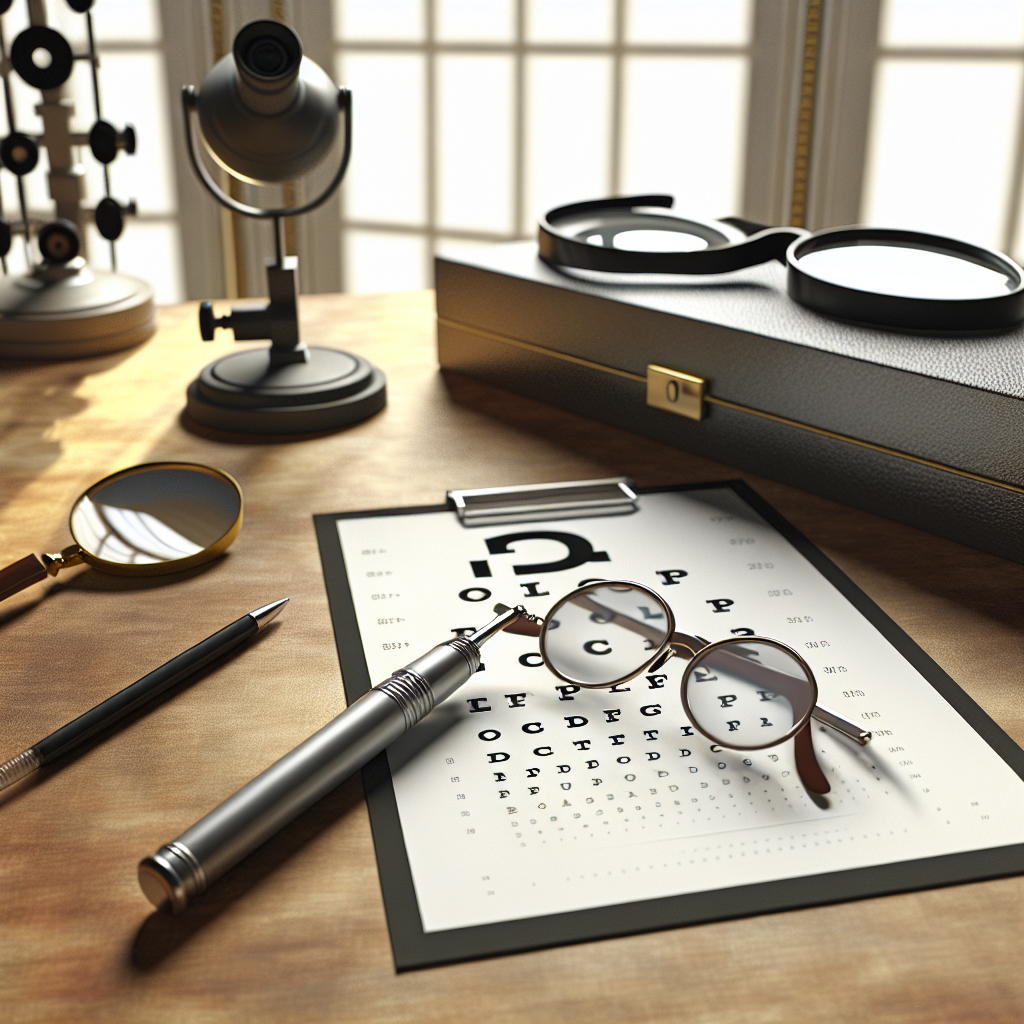
📌 Introduction: Understanding AMD and Vision Problems in the Visually Impaired
Age-related macular degeneration, more commonly known as AMD, is a chronic eye disease that primarily affects people over 50. This condition is characterized by the progressive deterioration of the macula, a small area in the center of the retina essential for central vision and fine detail. In France, nearly a million people are affected by AMD, making it the leading cause of visual impairment among seniors.
AMD generally results in a decrease in central vision, making it difficult to read, write, recognize faces, or perform any activity requiring precise vision. Affected individuals then become visually impaired, a term that refers to anyone whose visual acuity, after optimal correction, is insufficient to comfortably perform certain daily tasks.
Fortunately, effective technical aids are now available to partially compensate for this loss of vision. Among these, the AMD magnifier stands out as one of the most accessible and useful solutions. Simple, adaptable tools available in many formats, magnifiers for the visually impaired help restore a degree of autonomy and boost self-confidence. This comprehensive guide explores the different types of adapted magnifiers, the selection criteria to prioritize, as well as usage tips to maximize their effectiveness specifically for AMD.
📌 Different Types of Magnifiers for the Visually Impaired
To meet the varied needs of people with AMD or other forms of visual impairment, the range of magnifiers has greatly diversified. Each model offers specific advantages depending on the severity of visual impairment, the context of use, and individual preferences. Here is an overview of the main types of magnifiers available on the market:
- Pocket magnifiers: compact and discreet, perfect for on-the-go use.
- Desk magnifiers: stable structure and high magnification for prolonged use at home or work.
- Electronic magnifiers: integrated screen, light, digital functions to optimize reading.
- Stand and hands-free magnifiers: ideal for keeping hands free during specific activities.
The choice will depend on the degree of vision loss, habits, and user objectives. Let's examine in detail the distinctive features of each magnifier family, so you can determine which one will best suit your situation.
🔍 Pocket Magnifiers: Practicality and Portability
Pocket magnifiers are known for their simplicity and small size. They easily slip into a handbag or jacket pocket, allowing users to take them everywhere and use them at any time, whether to read a menu in a restaurant, check a label in a store, or quickly consult a document.
- Compact format: they are generally foldable or come with a case, which protects the lens from scratches.
- Moderate magnification: most offer a magnification of approximately x2.5 to x6, sufficient for occasional tasks.
- LED lighting available: some models include a light source to simplify reading in dimly lit conditions.
These magnifiers are particularly suitable for people with early-stage AMD, i.e., when central vision begins to decline but high magnification is not yet essential. They also address a need for autonomy during daily commutes. Their lightness and moderate cost make them an economical and popular choice.
An anecdote: Mrs. Durand, 71, says she never goes out without her pocket magnifier, which allows her to easily navigate supermarket aisles and check food ingredients.
However, these models are not recommended for reading long documents or prolonged sessions, as their small size can lead to fatigue and limit the field of vision. In these situations, other types of magnifiers are more suitable.
🔍 Desk Magnifiers: Comfort of Use
The desk magnifier is the ideal ally for stationary use at home or in the workplace. Fixed on a stand or an articulated arm, it offers superior stability and comfort, allowing you to read or perform detailed activities (sewing, knitting, DIY, etc.) without having to hold the magnifier in your hand.
- High magnification: these magnifiers generally offer powers from x4 to x10, while maintaining a wide field of vision.
- Integrated lighting: most models have LED lighting perfectly oriented on the reading area.
- Ergonomic posture: no more cramped hands or uncomfortable postures, the user can maintain a relaxed position.
Unlike pocket magnifiers, desk magnifiers are designed for prolonged reading or precision activities. They are therefore intended for people who want to enjoy optimal comfort for tasks requiring concentration or powerful lighting. Stand magnifiers vary in their fastening systems: on a base, with a clamp, or directly integrated into a multi-functional magnifier lamp.
One disadvantage of the desk magnifier is its lower portability. It will therefore most often be reserved for fixed use. However, its efficiency and comfort quickly make this tool indispensable for many visually impaired people suffering from advanced AMD.
For those who do a lot of reading, comparing several models can be useful. On our specialized selection of AMD and low vision magnifiers, you will discover a wide range to suit every situation.
🔍 Electronic Magnifiers: Advanced Technology
The advent of electronic magnifiers has revolutionized the daily lives of many visually impaired people. Equipped with a high-resolution screen (LCD or OLED), these magnifiers use a camera to project and enlarge text or images according to various customizable parameters.
- Adjustable magnification: the zoom power adjusts at the push of a button, often ranging from x3 to x30.
- Contrast and color inversion settings: these options significantly improve reading comfort according to individual preferences.
- Auxiliary light: integrated to increase visibility in all situations.
- Portable or stationary format: there are compact models to carry and others similar to a tablet or desktop screen.
The electronic magnifier offers multiple advantages: flexibility, adaptability, versatility, memorization of settings, reading aid or creative hobbies, etc. It is intended for users for whom traditional magnifiers are no longer sufficient and who are looking for a personalized and high-performance visual experience.
However, these devices are generally more expensive and require a slight technological learning curve. The investment can nevertheless be amortized through the regain of autonomy they provide.
By exploring the selection criteria, we will see that the evolution of electronic magnifiers meets specific needs encountered by the majority of people with AMD.
📌 How to Choose the Right Magnifier for AMD
Finding the most suitable magnifier for a person with AMD is based on several objective criteria to be carefully examined. Since each user is unique, taking the time to compare specifications, test different models if possible, and seek professional advice will optimize the comfort and effectiveness of the visual aid.
Here are the main factors to consider when choosing a magnifier for AMD:
- The level of visual impairment (acuity, residual field of vision)
- The type of priority activities (reading, DIY, frequent travel, etc.)
- The usual lighting environment
- Mobility (magnifier transport or sedentary use)
- The available budget
- The opinion of the healthcare professional accompanying the patient
Let's remember that there is no universal solution. The needs for reading the newspaper in the living room will not be the same as those for signing a check at the bank. Rather than acquiring several models blindly, it is often possible to try them out at specialized stores or seek advice from dedicated organizations.
🔑 Factors to consider when choosing a magnifier
Determining the best magnifier for the visually impaired involves a thorough analysis of different essential criteria:
- Magnification: The more severe the visual impairment, the greater the need for magnification. A magnification of x2 or x3 may be sufficient for minor difficulties, but x6 to x10, or even more, will be necessary for severe losses.
- Lens or screen size: A large surface will allow reading several words or an entire sentence at once, reducing fatigue and movement.
- Integrated lighting: Whether LED or otherwise, it improves the clarity, sharpness, and contrast of the text.
- Ergonomics: Comfortable handle, support orientation, lightness... These criteria facilitate prolonged use without discomfort.
- Intended use: On the go (pocket magnifier), at home (desk/stand), or in a professional setting (electronic).
A final essential point: choosing quality products, designed to last, promotes serene use and avoids unpleasant surprises. Taking the time to consult different buying guides such as our complete buying guide to choose your reading magnifier online can make a real difference.
🔑 The Importance of Lighting
Among all the criteria, the presence of integrated lighting proves to be crucial for the visual comfort of people with AMD. With age or eye diseases, light sensitivity decreases, hence the usefulness of being able to precisely illuminate what one wishes to observe.
- Reduced eye strain: White or neutral LED lighting illuminates uniformly, which limits the effort of concentration and better distinguishes letters.
- Use in all circumstances: Whether in a dimly lit room, in the evening, or during a power outage, an integrated lighting system prevents any discomfort.
- Customizable settings: Some electronic models allow several intensity levels and color options, allowing each user to adapt according to their feeling.
Therefore, prefer models that offer efficient LED lighting, which is easy to maintain (battery or rechargeable battery). This ensures unlimited use and increased durability of your magnifier. Also, do not forget the orientation of the light to avoid reflections or glare, especially for people with increased sensitivity.
In summary, a magnifier with good lighting allows you to rediscover the pleasure of reading, increase your concentration, and significantly reduce the risk of headaches and visual fatigue.
📌 Tips for Using Magnifiers for Maximum Comfort
For a magnifier to be truly useful and not become a source of discomfort or new difficulties, it is essential to use it correctly and take care of it. Here are several practical tips specifically for visually impaired people affected by AMD, to make the most of this valuable tool:
- Adopt an ergonomic position and place yourself under appropriate light.
- Take regular breaks to avoid eye strain.
- Frequently clean the lens or screen to ensure optimal clarity.
- Store the magnifier in its pouch or case to protect it from shocks and dust.
- In case of overheating or malfunction (for electronic models), wait a few minutes or consult the manual.
The judicious use of a magnifier, combined with simple maintenance gestures, significantly extends its lifespan and allows each user to maintain their autonomy longer.
🌟 Correct Adjustment and Positioning
Proper positioning of the magnifier is essential to fully enjoy its benefits. Here are some tips to ensure comfortable use:
- Optimal distance: Hold the magnifier at a distance where the enlarged area appears as clear as possible. This varies depending on the magnification power and the type of magnifier used. A simple test is to slowly move the magnifier until the text becomes perfectly clear.
- Tilt angle: Orient the light or lens to avoid any reflections or shadows on the text.
- Stability: Rest the base of the magnifier on the surface being read if it helps stabilize your hand.
- Two-hand use: For magnifiers without a stand, hold them with two hands to gain precision and reduce muscle strain.
These recommendations significantly increase the duration of use without discomfort and allow you to make the most of the increased autonomy offered by the magnifier. Initial use may require a little learning, but once good habits are established, this tool quickly becomes an everyday ally.
🌟 Maintenance and Care of Magnifiers
Like any optical instrument, the longevity and performance of a magnifier largely depend on the quality of its maintenance. Here are the best practices to adopt:
- Regular cleaning: Use a soft microfiber cloth to remove fingerprints, dust, or dirt. Avoid paper tissues, which could cause micro-scratches.
- Suitable products: Prefer cleaning solutions specifically designed for glass or lenses, especially if you frequently wear glasses.
- Careful storage: Replace the magnifier in its case after each use, especially for pocket models. For desk models, make sure to place them away from direct sunlight and humidity.
- Precautions with electronics: For battery-powered models, make sure not to leave the magnifier charging unnecessarily and to follow the manufacturer's instructions.
- Regular check: Check the condition of the LED lighting and replace batteries or recharge the battery as soon as the brightness weakens.
Proper maintenance ensures your magnifier's consistent performance and protects your investment in the long term. For people with AMD, trusting the reliability of their visual equipment is a source of comfort and peace of mind in daily life.
📌 Testimonials from Magnifier Users with AMD
Nothing beats feedback to illustrate the concrete impact an adapted magnifier can have on the quality of life of people affected by AMD. Here are some authentic testimonials collected from French users:
- Jacques, 82: After discovering my AMD, reading quickly became a real challenge. Buying a desk magnifier with lighting gave me back the pleasure of staying informed and communicating with my loved ones without asking for help at every moment.
- Sylvie, 67: I was skeptical before investing in an electronic magnifier. Today, I can't do without it! The color inversion settings and zoom help me not only with reading but also with my creative hobbies.
- Amadou, 75: I take my pocket magnifier everywhere. It has saved me more than once when reading a bus number or a street name. It's a simple little tool, but it makes all the difference every day.
- Roseline, 84: Thanks to the stand magnifier my son gave me, I resumed sewing and even helped my grandson with his homework. The stability and light helped me regain confidence in my abilities.
These experiences demonstrate that choosing a magnifier adapted to AMD can restore a sense of autonomy, dignity, and freedom, both for everyday tasks and personal passions.
📌 Recent Innovations in Magnifiers for the Visually Impaired
The field of optics and visual aids is evolving rapidly. Many innovations have emerged in recent years, offering increasingly precise and personalized solutions for the needs of people with AMD.
- Connected electronic magnifiers: Some synchronize with mobile applications to adjust settings, memorize preferences, or remotely transmit a screenshot.
- High-definition displays and enhanced colors: The adoption of OLED screens offers unparalleled contrast and facilitates reading even for advanced AMD cases.
- Miniaturization and lightness: Reduced weight and improved grip make electronic devices even more portable.
- Hybrid magnifiers: Combining a physical lens and electronic support, sometimes with voice recognition for even greater comfort.
- Adaptive lighting: Some magnifiers automatically adjust to ambient light, reducing visual fatigue.
These advances provide new tools to visually impaired individuals every year, facilitating not only reading but also social integration and overall autonomy. It is important to stay informed about new developments to benefit from the best devices on the market.
📌 How to confidently buy a magnifier for the visually impaired
Buying a magnifier adapted for AMD should leave nothing to chance. Several options should be considered depending on your expectations and budget. Here are some essential tips for a worry-free purchase.
- Prioritize stores specializing in optics or equipment for the visually impaired: you will find advisors who can guide you and sometimes offer on-site tests.
- Consult online catalogs from recognized suppliers: you will benefit from a wide selection, user testimonials, and detailed comparative guides.
- Check warranties, after-sales services, and the possibility of exchanging or returning the product if necessary.
- Consider potential coverage by Social Security or supplementary health insurance: ask your healthcare professional for advice.
The ideal approach is to combine the advice of an optician with that of an ophthalmologist, to receive a personalized recommendation adapted to your condition and your remaining visual capabilities.
🏪 Where to buy: specialized stores versus online
Two main options exist for purchasing a magnifier for the visually impaired:
| Criterion | Specialized store | Online |
|---|---|---|
| Product choice | Moderate but selected | Very wide, all ranges |
| Personalized advice | Yes, often available on-site | Online guides, sometimes dedicated chat |
| Trial before purchase | Possible | Rarely, except during return period |
| Delivery time | Immediate if in stock | 1 to 5 business days |
| Price | Slight extra cost for advice | Opportunities for promotions |
Everyone can judge according to their priorities: those who prioritize support and personalization will turn to physical stores, while connected, informed, and independent buyers will find what they need online.
🏪 Get advice from a healthcare professional
The support of a visual health professional remains essential at every stage. The ophthalmologist diagnoses AMD, evaluates the type of deficiency (central, peripheral, mixed), may prescribe low vision rehabilitation, and directs the patient towards appropriate technical solutions.
Working in conjunction with a specialized optician allows patients to discover, try, and handle different models of magnifiers. Some centers, associations, or networks also offer familiarization sessions with these tools. This approach reduces the risk of an unsuitable purchase, optimizes financial investment, and helps in acquiring equipment intelligently.
Finally, it is recommended to report any vision changes to your doctor, as the progression of AMD sometimes requires adjusting the equipment used over time.
📌 FAQ: Your most frequent questions about magnifiers and AMD
- 1. How does an AMD magnifier differ from a classic magnifier?
AMD magnifiers are specifically designed to compensate for the decrease in central vision. They offer adapted magnifications, superior optical quality lenses, and very often, integrated lighting. They are tested to meet the particular needs associated with macular degeneration. - 2. Does the choice of magnification depend on age or the severity of AMD?
Yes. The more advanced the central vision loss, the higher the magnification should be. A visual health professional will help you determine the necessary power according to your visual acuity and lifestyle. - 3. Are electronic magnifiers difficult to use?