


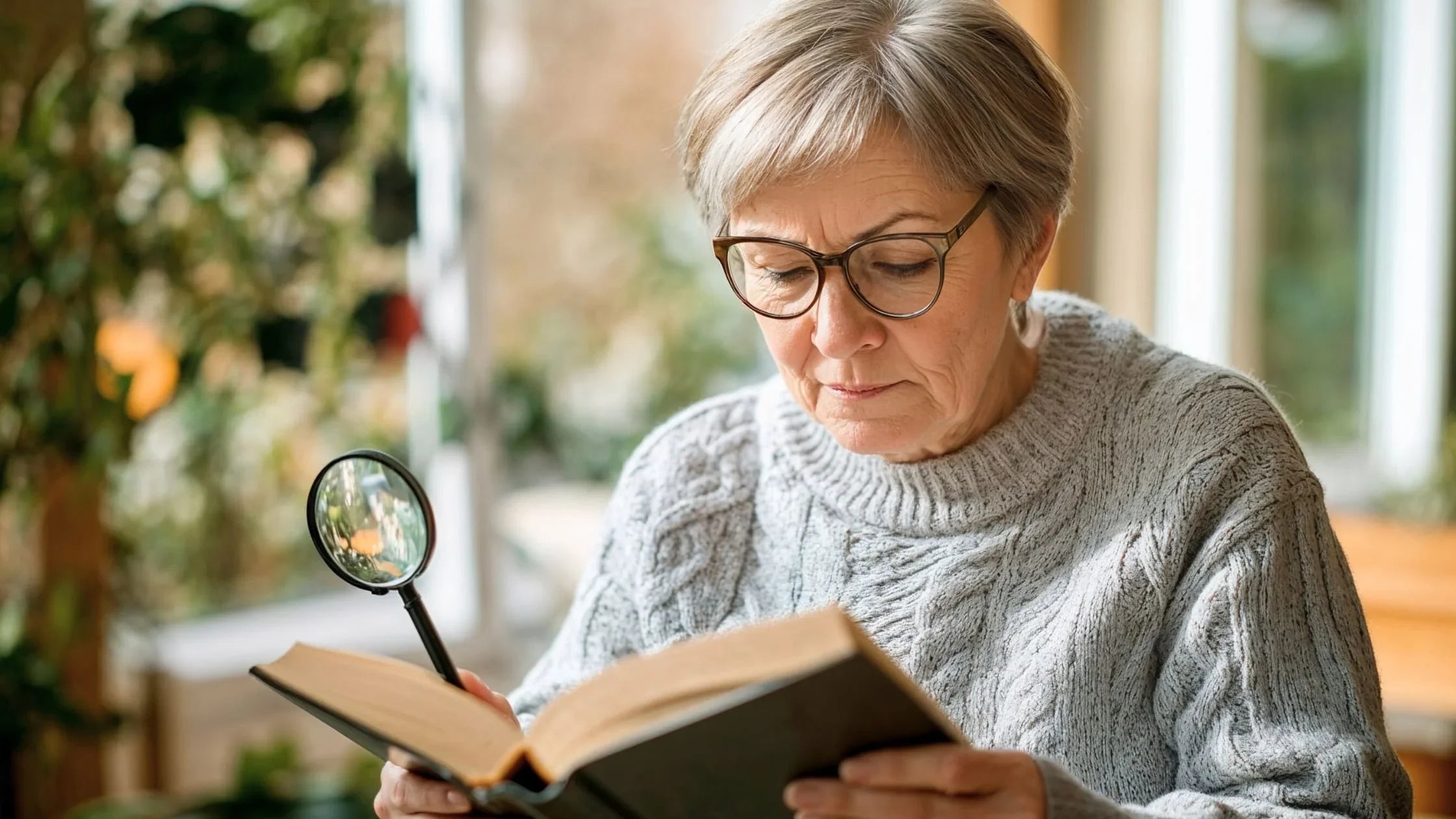
🔍 Introduction: Why ask this question?
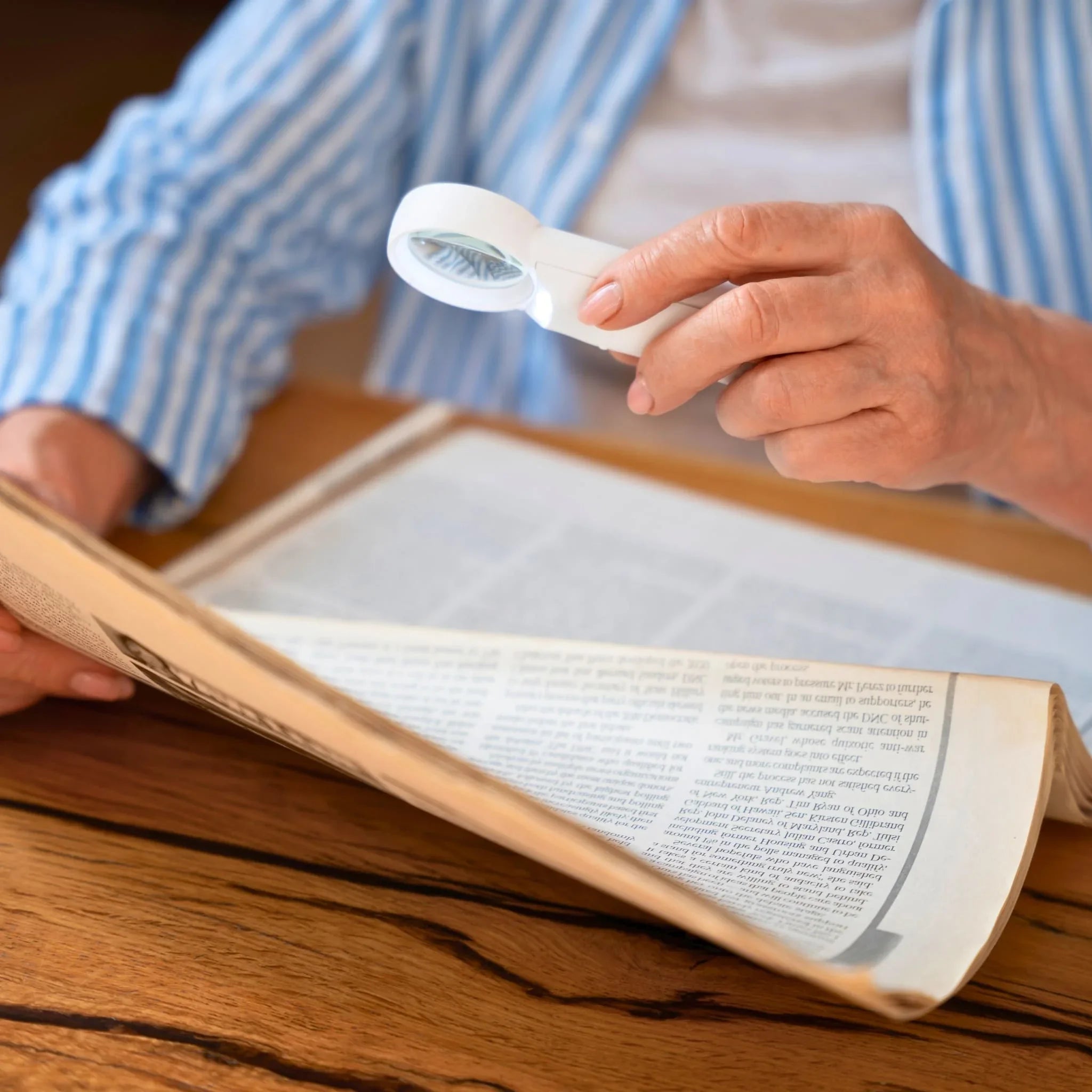
Many seniors or people with tired eyes turn to magnifiers to continue reading with pleasure. But is it really good to read with a magnifier in the long term? Can it replace glasses? Is it safe for the eyes or posture? Through this comprehensive guide, we will break down the benefits and limitations of reading with a magnifier, based on expert opinions and user feedback.
🧠 How does an optical magnifier work for reading?
Magnification: amplifying the image without damaging it
A magnifier works on the principle of a convex lens, which enlarges the perceived image without distorting it. It allows for better discernment of fine details, especially for those with reduced visual acuity.
Magnifier vs. reading glasses: what are the differences?
Unlike glasses, which correct vision permanently, a magnifier acts temporarily to enlarge text or an image. It has no corrective power but facilitates near reading. It is therefore complementary but not a substitute for adapted optical correction.
✅ Reading with a magnifier: recognized advantages
Assistance in case of presbyopia or visual impairment
Presbyopia prevents clear near vision from age 40. A well-chosen magnifier can compensate for this deficit, as it can for people with visual pathologies.
Comfort for reading small print
Small labels, manuals, contracts: the magnifier is ideal for these difficult-to-read texts. It reduces the need to strain the eyes.
Relief from eye strain in seniors
By enlarging the text, the magnifier allows the eye muscles to relax, which reduces visual fatigue related to focusing effort.
⚠️ Is it good to read with a magnifier every day?
Risks of poor posture and neck pain
If the magnifier requires the face to be too close to the text, it can cause tension in the neck, shoulders, or back, especially if the user adopts poor posture.
Visual fatigue due to prolonged use
Prolonged use without breaks can lead to headaches or blurred vision, especially if the magnifier is not properly adapted to the actual visual need.
Problems related to unsuitable magnification
Using a magnifier that is too powerful can reduce the field of vision and force the eye to exert more effort to follow the lines of text, which goes against the desired comfort.
📊 Studies and expert opinions on daily magnifier use
Ophthalmologists and occupational therapists agree that the magnifier is a very useful tool when well-chosen and well-used. Several studies indicate that regular use of a magnifier does not damage eyesight, provided that:
-
the magnification is adapted to the user's vision,
-
the posture is comfortable,
-
and the environment is well lit.
A report from the French Society of Ophthalmology emphasizes that visual aids such as magnifiers allow elderly people to maintain their reading autonomy, which has a direct impact on their quality of life.
🧓 Recommended magnifiers for seniors
Seniors represent the most frequent users of magnifiers. For them, the ideal choice is often:
-
A 2.5x to 3.5x magnifier, for a good compromise between field of view and clarity;
-
Integrated LED lighting, to compensate for insufficient ambient light;
-
A stand magnifier or an articulated arm magnifier, thus avoiding holding it for a long time.
This allows them to read effortlessly and safely, especially in cases of presbyopia or more severe disorders.
🔬 Specific cases: reading and ocular pathologies
AMD (Age-related macular degeneration)
People with AMD lose central vision. High-magnification magnifiers, or even electronic magnifiers with voice reading, are recommended.
Cataracts and glaucoma
A magnifier with strong light can compensate for the veil of cataracts or the narrowing of the visual field caused by glaucoma.
Myopia and hyperopia
In these cases, adapted optical correction remains a priority, but a magnifier can be useful for reading very small characters, especially in technical documents.
🛠️ Tips for reading well with a magnifier
Choosing the right magnifier: magnification, quality, lighting
Don't rely solely on price. A good optical magnifier should offer:
-
a clear image without distortion,
-
adapted magnification (neither too strong nor too weak),
-
and integrated lighting to relieve the eye.
Adapting your reading environment
-
Prefer natural light or neutral white.
-
Sit comfortably, with good support for your arms and neck.
-
Use a stand for the book or magnifier, to avoid holding it for a long time.
Limiting prolonged reading sessions
Even with a magnifier, prolonged reading can be tiring. It is recommended to:
-
take a break every 20 minutes,
-
blink regularly to prevent dry eyes,
-
change visual activity to rest the eye.
For an optimal experience, discover our complete collection of reading magnifiers adapted to all visual needs.
📱 Alternatives to traditional magnifiers
Mobile magnified reading applications
Applications like Magnifier + Flashlight or Seeing AI turn your phone into a magnifier with lighting, digital zoom, and sometimes voice reading.
Electronic magnifiers and video magnifiers
These devices allow zooming up to 20x, with contrast options, inverted colors, and automatic text reading. Very useful for the visually impaired or for intensive reading.
🤓 Reading with a magnifier: myth or real solution?
Reading with a magnifier is neither a magic solution nor a threat to visual health. It is a very effective auxiliary tool for those who need it, provided it is well chosen and not made a permanent substitute for ophthalmological care.
To go further, consult our detailed article: Can magnifiers damage your eyes? Myth or reality?
❓ FAQ: Frequently asked questions about magnifier use
1. Does reading with a magnifier tire the eyes?
Not if the magnifier is well adapted. Poor quality or excessive use can lead to fatigue and discomfort.
2. Can you replace your glasses with a magnifier?
No. A magnifier does not correct vision; it only magnifies. It complements glasses, but does not replace them.
3. Do you need a prescription to buy a magnifier?
No, but an optician or ophthalmologist's advice is recommended for an appropriate choice.
4. Can children use a magnifier for reading?
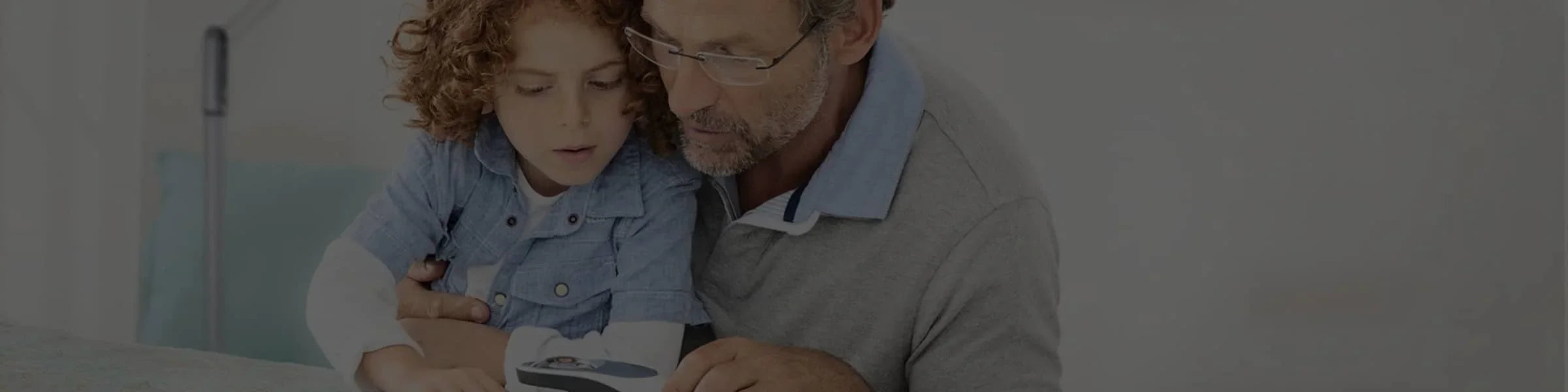
Yes, occasionally, but it is not recommended as a long-term solution. Their visual correction should first be checked.
5. Can a magnifier damage eyesight?
No, if used correctly. But it should not become a substitute for medical care.
6. What is the best magnifier for comfortable reading?
A 2.5x to 3.5x magnifier with integrated LED light is ideal for most users.
📝 Conclusion: Using a magnifier for reading, good idea or not?
Yes, reading with a magnifier is a good idea when chosen carefully and used moderately. It provides great reading comfort, improves the autonomy of seniors, and allows them to continue reading despite visual impairments. However, it does not replace a consultation with a specialist, especially in case of persistent symptoms.