


🔍 Introduction: Where Does This Concern Come From?
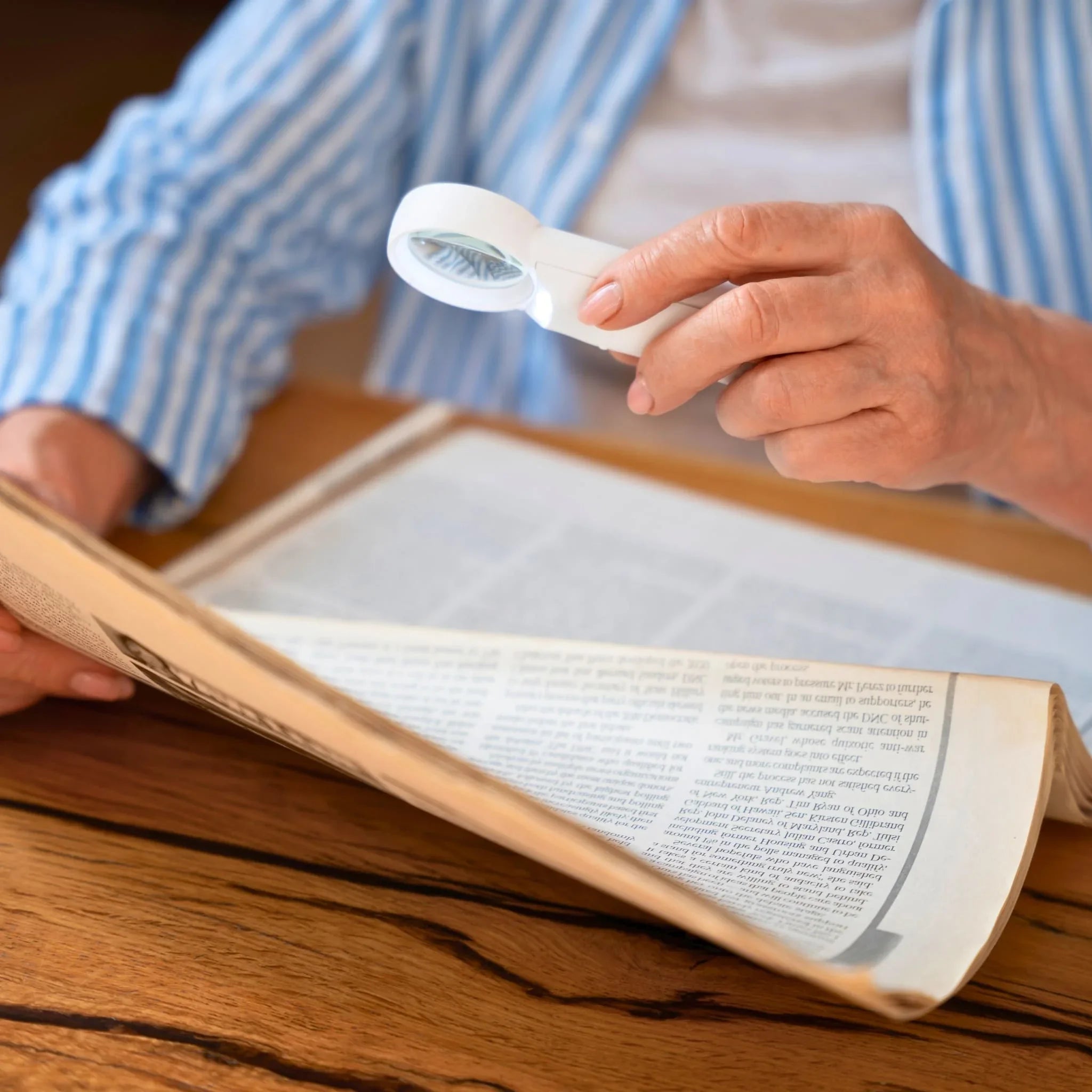
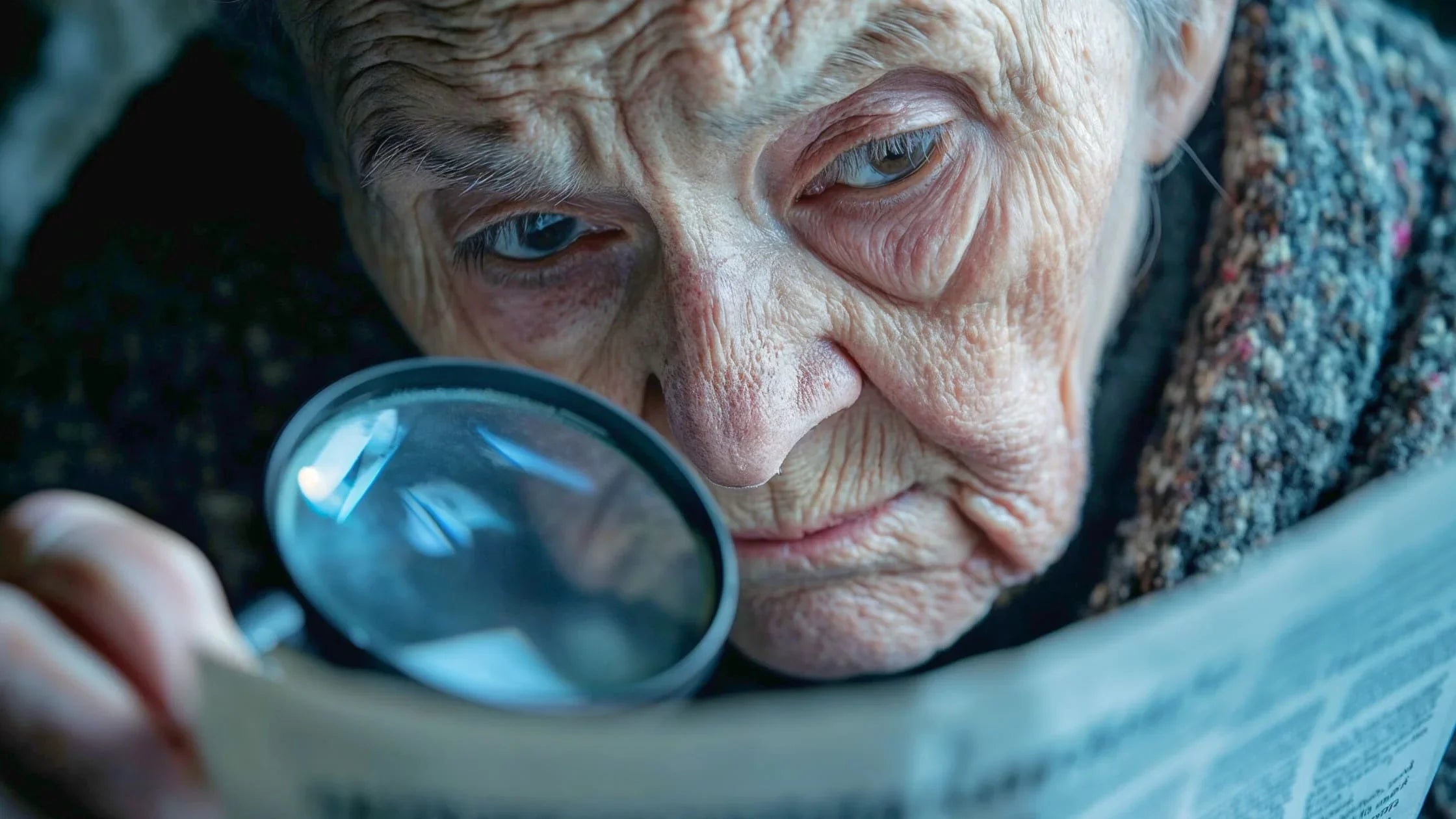
A magnifier is a tool commonly used for reading, observing, or performing intricate tasks. But one question often arises: are magnifiers bad for the eyes? Some people worry that prolonged use might harm their eyesight. In this article, we will separate fact from fiction, based on scientific evidence and expert advice.
👁️ How Does an Optical Magnifier Work on the Human Eye?
Image Amplification and Eye Muscle Work
A magnifier magnifies objects by bringing their focal image closer. This allows the eye to see fine details without strain. Contrary to popular belief, a magnifier does not alter the structure of the eye, but it can influence the muscular work of focusing (accommodation).
Magnifier vs. Glasses: Different Effects on Vision
-
Glasses correct a visual defect.
-
A magnifier increases the apparent size of text or an object, but has no corrective effect.
✅ Visual Benefits of Using a Magnifier
Short-Term Relief from Eye Strain
By avoiding straining to read small print, a magnifier relaxes eye muscles and reduces headaches related to visual effort.
Reading Aid for Visual Impairments
It is particularly useful for presbyopia, AMD, glaucoma, or cataracts, where clear reading becomes difficult.
⚠️ Can Using a Magnifier Harm Your Eyes?
Risks Associated with Improper Use
A magnifier used improperly (too strong magnification, too close position, insufficient light) can lead to eye strain, or even neck and shoulder pain.
Eye Fatigue Due to Incorrect Magnification
An unsuitable magnification forces the eye to adjust too much. This can cause temporary blurred vision, but does not cause permanent damage.
Impact of Posture and Lighting
Reading hunched over for too long, without sufficient light, can cause muscle tension and headaches. These discomforts are physical, but not ophthalmic.
🧪 What Scientific Studies Say
Optics and low vision experts agree: using a magnifier does not harm vision if it is well-chosen and properly used. A study conducted by the Vision Institute in France showed that visual aids such as magnifiers improve quality of life without direct visual side effects.
🔬 When Does Use Become Problematic?
Prolonged Reading Without a Break
Reading for more than 30 to 45 minutes continuously with a magnifier without rest can cause temporary symptoms like eye strain.
Too Strong or Unsuitable Magnification
Using a 6x magnifier to read a novel is counterproductive. It reduces the field of vision, forcing the user to constantly move the magnifier, which fatigues the eye.
📊 Comparison: Effects of a Magnifier on Healthy vs. Impaired Vision
| Vision Type | Effects of a Properly Used Magnifier |
|---|---|
| Healthy Vision | Increased comfort, easier reading, no risk |
| Impaired Vision | Relief, compensation for lack of sharpness, need for medical guidance |
👴 Are Magnifiers Riskier for Seniors?
Not at all. They are even recommended! You just need to:
-
choose a lightweight model,
-
with moderate magnification (2.5x to 3.5x),
-
and integrated lighting.
📱 Do Digital Alternatives Present Similar Dangers?
Electronic magnifiers and mobile applications can also cause eye strain, but they have the advantage of:
-
automatically adjusting text size,
-
providing better contrast,
-
and sometimes reading text aloud (OCR).
🛠️ Tips for Using a Magnifier Safely
Choosing the Right Magnifier (Quality, Magnification, Lens)
Choose a magnifier with:
-
scratch-resistant optical glass,
-
magnification suited to the use (reading, crafting, etc.),
-
an ergonomic handle or stand.
👉 Discover our collection of quality reading magnifiers carefully selected for all visual uses.
Adopt a Comfortable Posture and Adequate Lighting
Position yourself near a light source or use a magnifier with LED. Avoid bending your neck or tilting your head for too long.
Limit Continuous Use Time
Follow the 20-20-20 rule: every 20 minutes, look 20 feet (6 m) away for 20 seconds to rest your eyes.
🔗 Where to Find a Quality Reading Magnifier?
The market is full of models, but not all magnifiers are equal. To avoid eye strain or pain related to poor ergonomics, it is crucial to prioritize:
-
magnifiers designed by low vision specialists,
-
quality optical materials (glass, high-end acrylic),
-
and recognized brands in the medical or optical field.
👉 For an informed choice, explore our complete collection of reading magnifiers, tested and approved for their comfort and effectiveness.
❓ FAQ: Frequently Asked Questions About Magnifier Use
1. Can a magnifier cause vision loss?
No. It does not affect eye health. Improper use can cause temporary discomfort, but not a lasting decrease in visual acuity.
2. Can a magnifier be used every day?
Yes, provided you take regular breaks, maintain good posture, and choose a magnifier suited to your vision.
3. Can children use a magnifier?
Yes, but it's important to check with an ophthalmologist that they don't need glasses. A magnifier does not replace optical correction.
4. Are electronic magnifiers better?
They offer more comfort for the visually impaired, with variable zoom, contrast, voice reading, etc. To learn more, read our full article: How Does an Electronic Magnifier Work?
5. What is the ideal duration for reading with a magnifier?
In 20 to 30-minute increments, with frequent breaks to avoid fatigue.
6. Does a magnifier replace glasses?
No. A magnifier magnifies, but does not correct vision. It is a complement, not a replacement.
📝 Conclusion: Are Magnifiers Really Dangerous?
No, magnifiers are not dangerous for the eyes, provided they are used correctly. On the contrary, they are a valuable aid for preserving visual autonomy, especially among the elderly or those with visual impairments. Possible discomfort primarily stems from a poor choice of magnifier or inappropriate use (bad posture, insufficient lighting, too long reading time).
👉 To read comfortably and safely, trust proven products like those in our collection of reading magnifiers and learn about new solutions like electronic magnifiers.