

📌 What is a magnifying lamp and what is it used for?
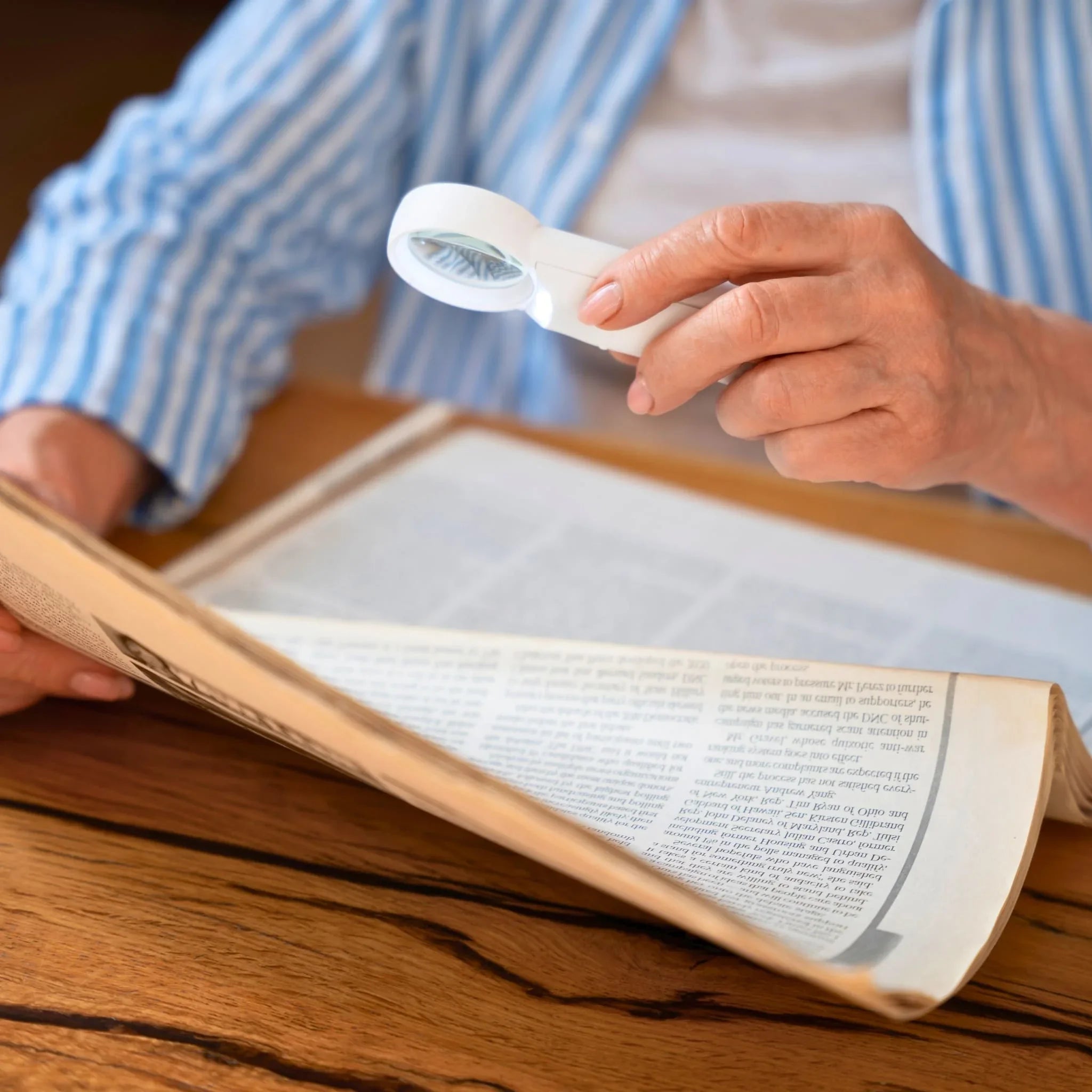
For several decades, the magnifying lamp has established itself as an essential tool for anyone seeking precision, visual comfort, and efficiency in their daily activities. It is equipment that combines a magnifying lens and a light source, usually integrated in the form of circular LEDs or a fluorescent tube. This ingenious combination allows for sharp observation of tiny objects or subtle details without excessive eye strain.
Among its main components, a magnifying lamp includes:
- An optical lens (glass or acrylic) whose diameter and magnification power vary according to the model.
- A stand, which can be a stable base, an articulated arm, or a clamp system.
- An integrated lighting device, adjustable in intensity or color temperature depending on the technology.
Its utility extends beyond simple domestic use. It proves essential in many professional sectors:
- In healthcare, such as dermatological or dental consultations, or for examining hearing aids.
- In electronics and micro-mechanics for component assembly or fine repair.
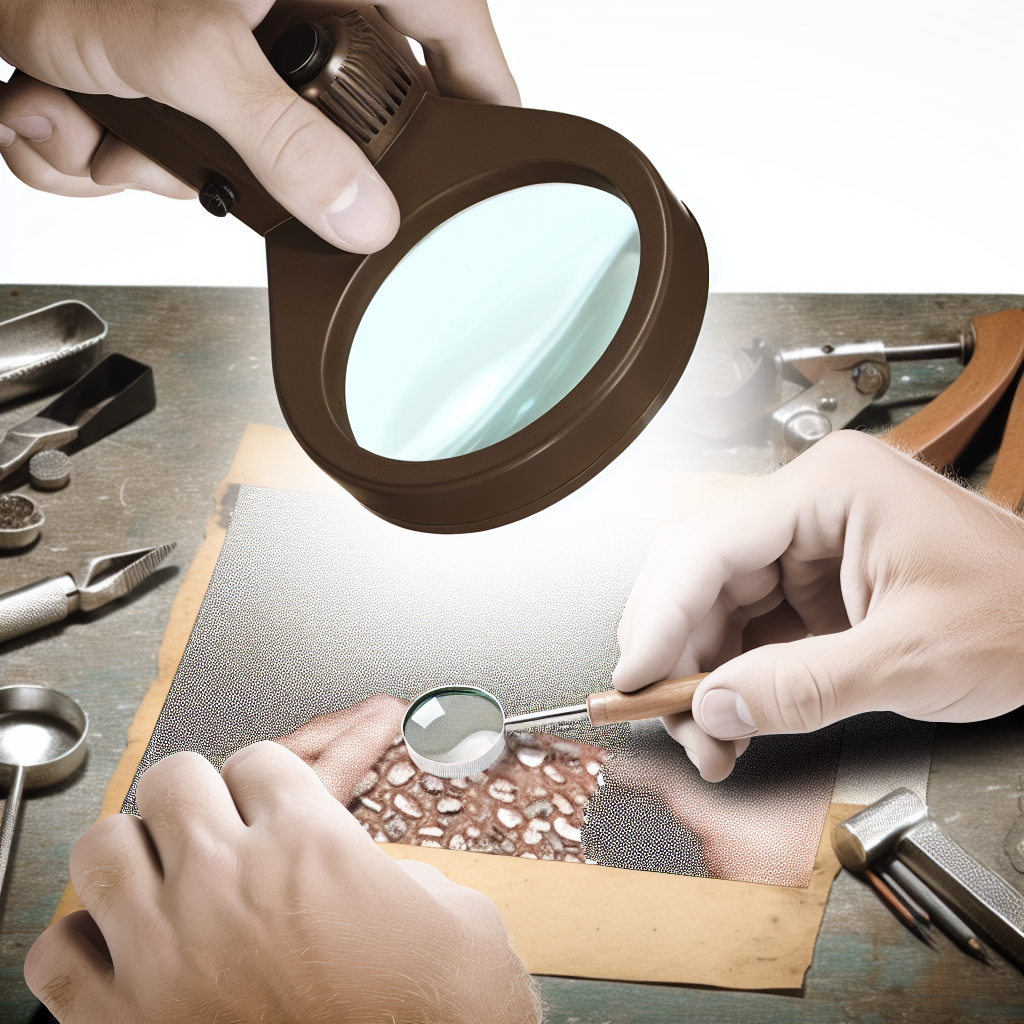
- For artisans, jewelers, watchmakers, model makers, embroiderers, or collectors, to facilitate precision work.
- In scientific educational institutions for observing or manipulating specimens.
The magnifying lamp improves safety and performance by limiting handling or diagnostic errors through detailed vision, while reducing visual fatigue during prolonged use. This versatility largely explains the democratization of this tool, which is now equally popular with young model-making enthusiasts, seniors seeking to compensate for diminished vision, or science students.
📌 The different types of magnifying lamps
🔹 Floor-standing magnifying lamps
Floor-standing magnifying lamps are among the most sought-after for sedentary workstations or environments requiring stability and robustness. Their wide base ensures reliable positioning on a table, workbench, or desk. Most of these models incorporate a telescopic or adjustable rod, allowing height adjustment according to the task at hand.
In addition to their stability, these lamps are distinguished by the often generous size of their lens, suitable for extensive work and prolonged sessions. They are therefore suitable for watch repair, antique book restoration, and any meticulous work requiring great freedom of movement without the constraint of repositioning the lamp.
- Advantages: Increased stability, clear work surface, suitable for permanent spaces.
- Disadvantages: Bulky and reduced mobility.
This model is ideal for a workshop, classroom, or medical office where the workstation remains fixed.
🔹 Articulated arm magnifying lamps
Articulated arm magnifying lamps are popular for their great flexibility. Their arm, composed of several segments connected by joints, allows the lens to be positioned precisely where desired: above a circuit board, a technical drawing, or a sewing piece. These joints facilitate fine and quick adjustments, promoting constant adaptation based on the viewing angle or the object being analyzed.
Very popular in laboratories, repair shops, and DIY tables, these lamps can be fixed with a weighted base or a clamp (see below). Depending on the use, there are models with single, double, or triple articulation, each meeting different precision and mobility needs.
- Advantages: Maneuverability, various observation angles, space-saving on the table.
- Limitations: Requires solid assembly, risk of loosening fasteners with intensive use.
Their success also relies on the ability to orient them over large work surfaces without constantly having to move the equipment.
🔹 Clip-on magnifying lamps
Clip-on magnifying lamps meet the growing need for flexibility in modern and home workspaces. Thanks to their robust clamping mechanism, they can be attached to the edge of a desk, a shelf, an easel, or even a medical cart.
This format is ideal for confined or temporarily arranged spaces, such as a shared workshop, a study table, or a corner of a living room for creative hobbies. Installation is tool-free, and removal is just as easy to free up space after use.
- Strengths: Mobility, quick installation, adaptability to different surfaces.
- Disadvantages: Stability dependent on the support, often smaller lens size.
This type of magnifying lamp is perfectly suited for mobile users, students, or for occasional use, while offering sufficient performance for precise tasks.
📌 Key features to look for in a magnifying lamp
🔹 Magnification power
Choosing the magnification power is crucial for effective use of your magnifying lamp. Expressed in diopters or as an x-factor (e.g., x2, x5, x10), this characteristic defines the level of detail accessible for observation. As an indication:
- For crafts, sewing, or reading, a magnification of 1.75x to 3x is generally sufficient.
- For jewelry, medicine, or electronics, it is preferable to aim for 5x or even 8x to enlarge the smallest details.
It should be noted that high magnification often reduces the field of vision, which can make object manipulation more complex. It is therefore advisable to test different magnifications according to your typical tasks before making your choice. Some magnifying lamps offer removable secondary lenses to adapt the power as needed.
🔹 Lighting type
Lighting is the second crucial variable for optimal rendering. Current models mainly offer two types of light sources:
- LEDs (Light Emitting Diodes): energy-saving, long lifespan (over 30,000 hours), low heat emission, and the ability to modulate intensity or color temperature.
- Fluorescent: offers diffuse and soft light, ideal for certain manual activities, but are becoming less popular due to their fragility and waste management (presence of mercury).
To maximize visual comfort, prioritize magnifying lamps that allow you to adjust the brightness (dimmers), and if possible, switch between cool, neutral, or warm white light depending on the desired ambiance. Well-distributed lighting around the lens minimizes shadows that can lead to eye fatigue.
🔹 Ergonomics and adjustability
Careful ergonomics ensures comfortable use during long sessions. This includes:
- Adjustability of the arm and lens, to avoid uncomfortable postures.
- Lightness of the entire unit, when it needs to be moved frequently.
- An accessible button, or even a touch control for turning on and adjusting intensity.
The most efficient magnifying lamps also include useful accessories: dust covers for the lens, removable covers, or magnetic tool holders to keep small manipulated parts within reach. Ergonomics concerns not only comfort but also safety, perfectly adapting to the constraints of your activity.
For more information on the range of available models and their features, feel free to consult our dedicated collection.
📌 How to set up your magnifying lamp for optimal use
🔹 Choosing the ideal location
The choice of location is often overlooked, yet it greatly influences your user experience. Place the magnifying lamp on a stable surface, near a power source to avoid awkward extension cords. Ensure that the space around the lamp remains clear to allow for all necessary movements without causing accidental falls, snags, or bumps.
Opt for a well-ventilated environment to prevent prolonged overheating, especially during intensive professional use. In a workshop, be careful to keep the lamp away from solvent fumes or excessive dust (e.g., when working on wood or metal) to limit lens fouling.
- Consider reflections: if possible, orient the lamp to avoid direct reflections on the observation area.
- If you are working facing a window, adjust your position to avoid backlighting which strains the eyes.
Finally, adjust the height of the work surface to your body type. Good adjustment limits neck strain and back pain.
🔹 Adjusting the articulated arm and lens angle
The adjustment step significantly influences the level of comfort and the precision achieved. Start by adjusting the height of the articulated arm so that the lens is aligned with your eyes, keeping your back straight. Slightly tilt the lens to the desired observation angle to reduce optical distortions.
The articulated arm allows the lens to be brought as close as necessary to the object, adapting the distance to the size and shape of the material being studied (circuit board, textile, coin, etc.). Precise adjustment minimizes muscle fatigue and promotes concentration, especially over long periods.
- Test several configurations before starting your main task.
- Remember to lock the joints once the correct angle is found to avoid any unwanted movement.
Finally, check the sharpness of the image by slightly moving the object or the lamp, to correct the gap between the focal length of the lens and the area to be analyzed.
To delve deeper into your settings and optimize daily use, consult our guide on the best magnifying lamps on the market.
📌 Tips for safe use
🔹 Visual perception and eye protection
The effectiveness of a magnifying lamp comes with the necessity of protecting your eyes. Improper contrast settings, prolonged use, or excessive exposure to overly bright light can lead to dry eyes, glare, or headaches. Here are some simple precautions:
- Alternate periods of close work with regular breaks to allow your eyes to rest.
- Adjust the light intensity to avoid too harsh a contrast between the lamp's light and the ambient brightness.
- Avoid looking directly at the light source through the lens, as this can amplify the rays.
- Wear protective glasses if working with volatile substances or sharp parts.
Reasonable use of the magnifying lamp thus becomes a real health asset for all precision professions.
🔹 Safety measures for work environments
Beyond visual protection, other precautions must be taken to ensure your workspace remains safe and pleasant:
- Monitoring electrical cables: Position them to avoid any risk of tripping or accidental snagging.
- Fixation: If your magnifying lamp is clip-on, check the solidity of the support to prevent the lamp from falling onto the object being manipulated, or even onto the user themselves.
- Ventilation: Powerful models can heat up slightly; good ventilation reduces this phenomenon.
- Avoid humidity: Never place the lamp near water sources, to prevent any risk of short circuit.
Finally, any change in configuration (articulated arm, angle, height) should be done with the lamp off, to avoid any risk of electrocution or accidental burns.
📌 Care and maintenance of your magnifying lamp
🔹 Lens cleaning
The quality of the lens directly determines the performance of your magnifying lamp. To maintain it effectively, adopt a gentle and regular cleaning routine:
- Use a soft, clean cloth, ideally microfiber, to gently dust the lens surface.
- If smudges persist, lightly dampen the cloth with a suitable optical cleaning solution (never acetone or abrasive solvents).
- Rub in circular motions without applying too much pressure, to avoid scratching the surface.
- Wipe away any remaining moisture to prevent fogging during the next use.
To prevent fouling, remember to systematically replace the protective cover after each work session.
🔹 Checking electrical connections
As a safety guarantee, checking electrical connections should be part of a monthly routine or after any movement of the lamp.
- Visually inspect the power cord to quickly identify any signs of wear, cuts, or pinches.
- Ensure the plug is fully inserted into the wall socket; avoid using poor quality multi-outlets.
- Monitor the stability of internal connections if your lamp has interchangeable modules (light, removable lens, etc.).
In case of an anomaly (hissing, overheating, flickering), immediately unplug the device and consult a professional to avoid any risk of fire or electric shock.
📌 How to integrate a magnifying lamp into various professional uses
🔹 Use in jewelry and watchmaking
The meticulousness required in jewelry and watchmaking makes the magnifying lamp an almost indispensable tool. Professionals find invaluable help for:
- Inspecting settings, solders, or precise adjustments.
- Assembling or repairing watch mechanisms often smaller than 1mm.
- Evaluating the purity of a precious stone or the engraving of an antique piece of jewelry.
Stability and the cool light emitted reduce the risk of chromatic distortion, which improves the reliability of visual diagnoses.
🔹 Application in the medical field
In the medical sector, the magnifying lamp finds its place from dermatology to podiatry and audioprosthetics. Its ability to magnify details while providing homogeneous light allows for:
- A precise examination of skin surfaces, for screening lesions or anomalies.
- Delicate interventions (sutures, splinter removal, placement of hearing aids).
- Rapid diagnoses without significant visual effort.
Its use thus allows for gains in speed, reliability, and comfort for both the practitioner and the patient.
🔹 Advantages for hobbyists and artisans
Model making, embroidery, philately, or art object restoration also greatly benefit from the advantages of a magnifying lamp. It opens up new horizons of precision:
- Painting tiny figurines or gluing micro-components with increased control.
- Observing or repairing stamps, coins, and antiques while preserving their intact integrity.
- Writing, drawing, or sewing longer and more clearly, reducing eye strain.
Enthusiasts regularly report tangible improvements in their results thanks to this accessory, previously reserved for professionals.
📌 Comparison of the best magnifying lamp brands
Given the abundance of available models, it can be difficult to choose the best magnifying lamp. Here is a simplified comparison table of popular brands in France:
| Brand | Optical Quality | Average Price | Lighting Technology | Ergonomics |
|---|---|---|---|---|
| Daylight | ⭐⭐⭐⭐⭐ | €€€€ | LED / Fluorescent | Excellent, flexible arm |
| Eschenbach | ⭐⭐⭐⭐⭐ | €€€€€ | Advanced LED | Premium, fine adjustments |
| Luxo | ⭐⭐⭐⭐ | €€€ | LED | Robust articulated arm |
| Bresser | ⭐⭐⭐ | €€ | LED | Ease of use |
| Techlight | ⭐⭐⭐⭐ | €€ | Adjustable LED | Good stability |
Each excels in a particular area: lens purity, durability, accessory diversity, or lighting innovation. Depending on your budget and requirements, opt for models recognized in your field of activity. Always ensure the availability of after-sales service and spare parts, essential factors for long-term serene use.
📌 Common mistakes to avoid when using a magnifier lamp
Even the most powerful tool can quickly wear out or become a source of discomfort if used improperly. Here are the main pitfalls observed:
- Neglecting to adjust the articulated arm, which causes neck pain or a limited field of vision.
- Choosing an unsuitable magnification power, risking hindering observation instead of optimizing it.
- Using aggressive chemicals to clean the lens, making it opaque or scratched.
- Installing the lamp on an unstable surface, exposing it to breakage or the fall of fragile material.
- Ignoring signs of electrical wear (humming, flickering), risking breakage or danger to the user.
Vigilance in these areas ensures durability, safety, and satisfaction with each use.
📌 Improving the user experience with magnifier lamps
For an optimal experience, customize your setup:
- Adjust the color temperature according to your activity (cool light for precision, warm for relaxed hobbies).
- Invest in suitable accessories: anti-glare mats, additional supports, removable covers.
- Frequently alternate the position of the lamp to avoid muscle and eye fatigue.
- Utilize smart features: touch controls, memory settings, adjustable light tone.
- Consider sharing your experiences with other users to benefit from additional tips and tricks.
Finally, opt for evolutionary models: some magnifier lamps can accommodate new lenses or accessories as technological innovations emerge. This way, your equipment remains at the cutting edge for all your future projects.
📌 FAQ – Frequently asked questions about using a magnifier lamp
- What is the best magnification range for a versatile magnifier lamp?
For versatile use, a magnification of 2x to 3x is recommended. It offers a good compromise between a wide field of vision and effective enlargement, ideal for reading, crafting, or quality control.
- How to avoid fogging on the lens during use?
Ensure the room is well-ventilated and avoid breathing directly onto the lens. Gently wipe the lens after each cleaning to remove any residual moisture.
- Does the magnifier lamp consume a lot of energy?
Modern LED models are very energy-efficient, consuming an average of 3 to 12 Watts depending on the set intensity. Choose certified low-consumption lamps for optimal energy efficiency.
- Can a magnifier lamp be used to photograph small objects?
Yes, provided you position the camera or smartphone lens correctly at the level of the magnifier lens, being careful to avoid any reflections. Some magnifier lamps are even equipped with dedicated supports to facilitate macro photography.
- How to clean a stubborn stain on the lens without scratching it?
Use a microfiber cloth lightly dampened with a mild optical cleaner. Never scratch a stain with a hard object. Use gentle circular motions to dislodge dirt.
- Are there any contraindications to prolonged use of a magnifier lamp?
If you take regular breaks, adjust the light intensity, and avoid staring at the light source, there are no major contraindications. However, consult an ophthalmologist if you frequently experience discomfort or eye fatigue.
📌 Conclusion: Master the art of using a magnifier lamp
Combining comfort, precision, and versatility, the magnifier lamp stands out as an essential asset for anyone wishing to push the limits of their vision and expertise. By understanding its structure, its different uses, the criteria